Spring Water Through the Seasons: A Yearly Checklist for Source Visits
October 29, 2026 - Local Discovery
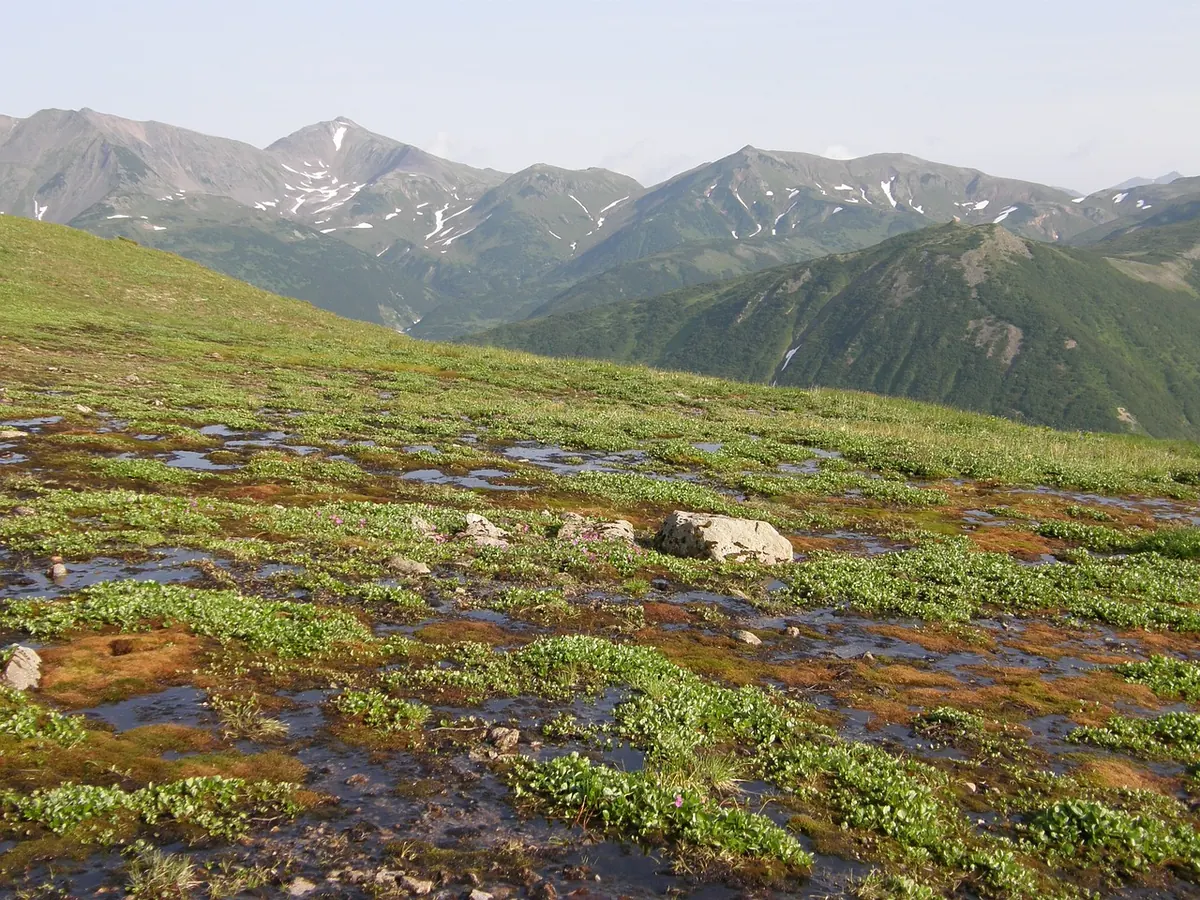
A spring that runs clear in August can look and behave like a different source after a night of hard rain. The water may still be cold and steady, but the ground above it, the shallow aquifer feeding it, and the spring box itself are all responding to weather. That is why seasonal spring water safety is less about memorising rules and more about reading the conditions in front of you.
Rain and snowmelt are not automatically bad for a spring. They are part of the natural recharge cycle. The trouble comes from speed: when water moves too quickly across the land or through shallow pathways, it can carry sediment, nutrients, microbes, and other material toward the outlet. A thoughtful visit starts with the weather that came before it.
In a gentle soaking rain, much of the water moves slowly through soil and rock. The soil acts like a sponge, and the spring responds gradually. After an intense storm, the soil can become saturated. Excess water then runs over the surface, gathering silt and whatever else it crosses on the way downhill.
That runoff does not need a visible stream to reach a spring. It can enter through root holes, animal burrows, cracked bedrock, a poorly sealed spring box, or the trench around a collection pipe. Once surface water takes one of those shortcuts, the spring may turn cloudy within hours. Flow can rise sharply, then settle back over the following days.
Turbidity is the first clue most people notice. Cloudy water is not just a cosmetic problem: sediment can carry attached microbes and can make treatment less effective. Rain can also push older water and material stored in shallow ground toward the spring outlet. A spring that looks clear at the pipe may still be responding to a storm that fell two days earlier.
Snowmelt is a slow-release storm, but it has its own risks. On frozen or partly frozen ground, meltwater cannot soak in easily. It tends to run over the surface and along shallow paths, picking up road salt, grit, animal waste, and debris from the winter. The first strong thaw is often the messiest part of the season.
Meltwater can continue for days or weeks, especially when days are warm and nights are cold. The spring may run high, cold, and slightly cloudy for longer than it would after a summer shower. If livestock or wildlife have been active near the recharge area, or if fertiliser and manure were spread before the freeze, meltwater can move those materials toward the spring.
A common mistake is to visit on the first sunny day after a long cold spell. The air feels mild, the road is clear, and the spring looks inviting. Yet the ground upstream may still be releasing the first flush of winter. Give the site time, and watch for a sustained return to normal clarity and flow.
Spring water quality can change in ways you can see, smell, or neither. The obvious signs deserve attention, but so does the absence of signs: clear water is not proof that the source is safe. Heavy rain and snowmelt can affect the spring in several ways at once.
Microbial risk tends to rise when surface water reaches the spring. Chemical risk depends on what the runoff crosses: nutrients from fields, salt from roads, petroleum residues from machinery, or sediments from bare ground. Not every contaminant changes the taste. Do not use taste as a test. If you are on a public supply, follow any boil-water or do-not-use notice without improvising your own workaround.
Delaying a visit is often the simplest safety tool available. You do not need to cancel the whole season, but you do need to choose your moments. Consider waiting when any of the following apply:
How long should you wait? There is no single number that fits every spring. A useful approach is to wait until runoff has clearly subsided and the water has been consistently clear at normal flow for a sustained period. In many settings that means several days after the event, but local soil, slope, and spring construction can change the timing. If you are unsure, wait longer or use a known safe supply.
A careful check takes only a few minutes and tells you more than a glance at the pipe. Start with the weather history, not just the sky above you. Then walk the site with the question: where would water go if it fell here?
Boiling is effective against many microbes, but it does not remove chemicals or salts; in fact, it concentrates them slightly as water evaporates. Filtration and treatment need to match the risk you suspect. If you have any reason to think the spring is contaminated, do not drink the water. Use a known safe supply and ask your local health or environmental authority about testing and next steps.
Good spring safety is not only about what you do on the day. It is also about the condition you leave behind. Keep a diversion ditch or berm working so surface runoff moves away from the spring box. Maintain a tight lid and a clean overflow. Keep livestock and machinery away from the immediate collection area, and avoid storing fuel or chemicals uphill.
Record what you see: dates of heavy rain, the first snowmelt, changes in clarity, and any repairs. A simple notebook or phone note makes patterns easier to spot. Test the water at an accredited laboratory a few times a year and after significant events, especially if the spring supplies a household. Small repairs and a little observation go a long way.
Before you fill a bottle or plan a visit, ask three plain questions. Has there been heavy rain or a strong thaw? Does the water look, smell, and flow as it normally does? Is there any new activity upstream? If any answer is uncertain, delay the visit or choose another source. Spring water rewards patience. Visit in settled weather, carry an alternative supply, and leave the site as clean as you found it. If you have concerns about your health or a private supply, seek advice from your local health or environmental professional.
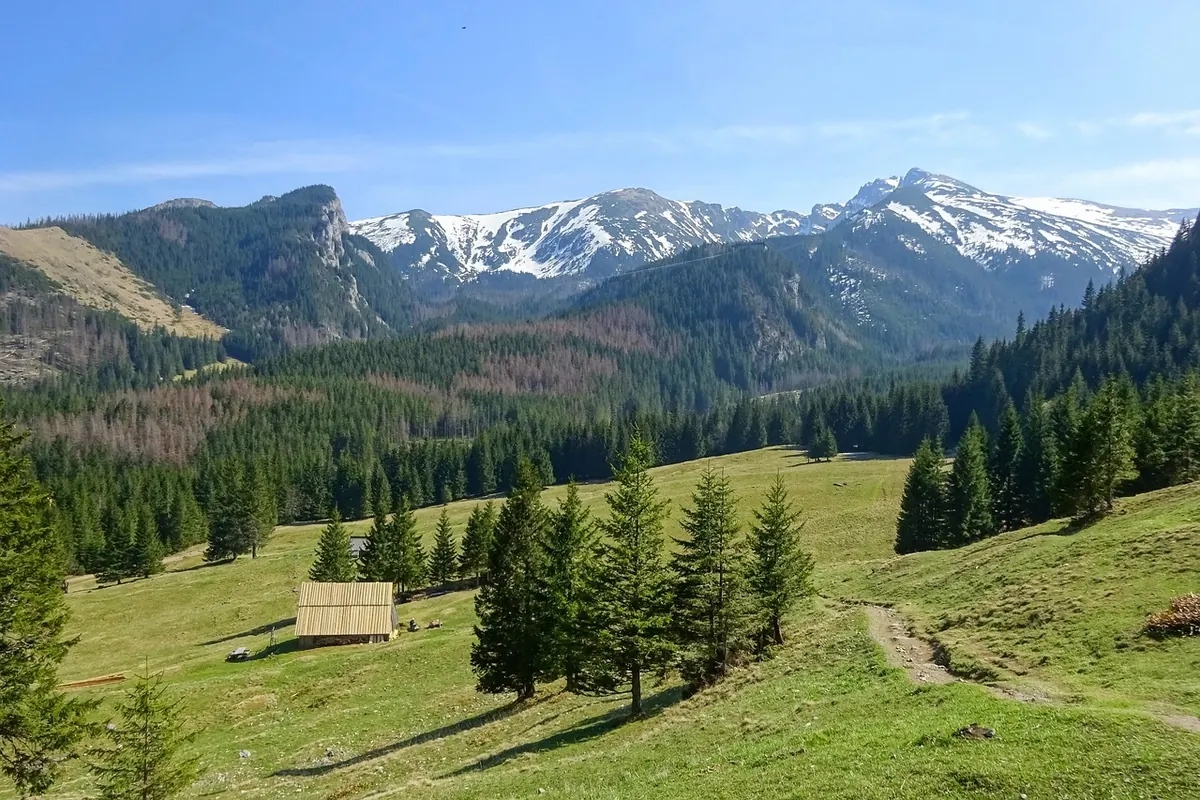
Photo: Natalia_Kollegova / Pixabay
Plan spring visits by season: winter ice, spring mud, summer low flow, autumn leaves. A practical yearly checklist...
A practical guide to finding public springs near you, reading access signs correctly, asking landowners politely,...
Copyright © 2026 Vetrina Della Sorgente. All Right Reserved.