Spring Water Through the Seasons: A Yearly Checklist for Source Visits
October 29, 2026 - Local Discovery
There is a particular pleasure in filling a bottle at a spring you found yourself: a stone fountain at the edge of a village, a pipe set into a hillside above a chestnut wood, a spout behind a chapel where the water has run longer than anyone remembers. That pleasure sours fast if you arrive to find a chained gate, a fresh "private property" sign, or a farmer who has spent the morning turning strangers around. Finding springs is half map-reading, half local manners. This guide is mostly about the second half.
The word public gets used loosely, and the differences matter when you are standing at a gate with two empty bottles and no idea whether you are welcome.
The sign in front of you outranks the map in your hand. If it says the water is not for drinking, or that the land is private, that is the answer for today, whatever a website said last spring.
Detailed topographic maps, the kind covering walking routes at a large scale, mark springs with their own symbol, often a small blue droplet or the word itself. Hiking apps carry the same data and let you filter for fountains. Local authority websites sometimes list public fountains with opening hours and any seasonal shutdowns. Be sceptical of very old maps: a spring marked in 1950 may now be a dry pipe under a housing estate.
Water shows itself before you reach it. Springs tend to sit where a slope flattens, at the foot of a rock face, or along the seam where woodland meets open meadow. Look for watercress, moss, ferns, and stone channels leading away from a bank. A small concrete basin, a length of pipe, or a battered metal grille in a hedge is usually the visible end of something older underneath.
Village fountains are often fed by a spring a few hundred metres uphill, and the old supply line still shows: a line of vegetation, a low wall, an overflow spout trickling into a ditch. Tracing one upward is a pleasant way to spend an hour and often leads to the source itself.
The quickest route to a good spring is a five-minute conversation. A bar, a bakery, a parish office, or a farmer fixing a fence will usually tell you more than any app: whether the water is good, whether anyone minds you filling there, whether the flow drops to nothing in August, whether the track is passable after rain. Ask directly and briefly. "Is the water up there good to drink? Can anyone fill, or does the owner prefer people to ask?" A local who sees you ask politely once will often wave you through next time.
Most springs sit on somebody's field, and the difference between a welcome and a confrontation is usually small and entirely avoidable.
Park on the road, not in a field entrance, and never on a track a tractor might need. Close every gate you open, even if it was open when you arrived. Do not climb a fence with a sign on it, and do not assume a path worn into the grass means public access. If you meet the owner, ask in person, keep it short, and accept a refusal without arguing. Keep dogs in the car around livestock, and give a herd a wide berth rather than walking through it. A field of cattle with calves is not the place to test your confidence.
Springs are small, and a crowd of people with twenty-litre containers can change a place in a season. A few habits keep the site in good shape for the next person.
Clear, cold, and fast-running is not the same as safe. Spring water is untreated, and a source that has been fine for decades can pick up contamination from livestock, heavy rain, or work uphill. Signage is your first check: a "non potabile" notice usually means the water is not intended for drinking, whatever the reason. Ask locally, and take notice if regulars boil it or use it only for cooking and irrigation.
After heavy rain, give a spring a day or two. If you are unsure, boil the water before drinking it, and if you plan to use a spring regularly, or if anyone in your household is pregnant, elderly, or has a weakened immune system, have the water tested or ask your local health authority for guidance. That is general advice, not a substitute for a professional assessment of your own situation.
Most disappointing spring trips come down to a missing detail rather than bad luck. Run through this before you leave:
None of this is arduous. It is simply the difference between being a visitor a place tolerates and one it welcomes back. Find your spring, fill your bottles, close the gate, and leave the water running as you found it.
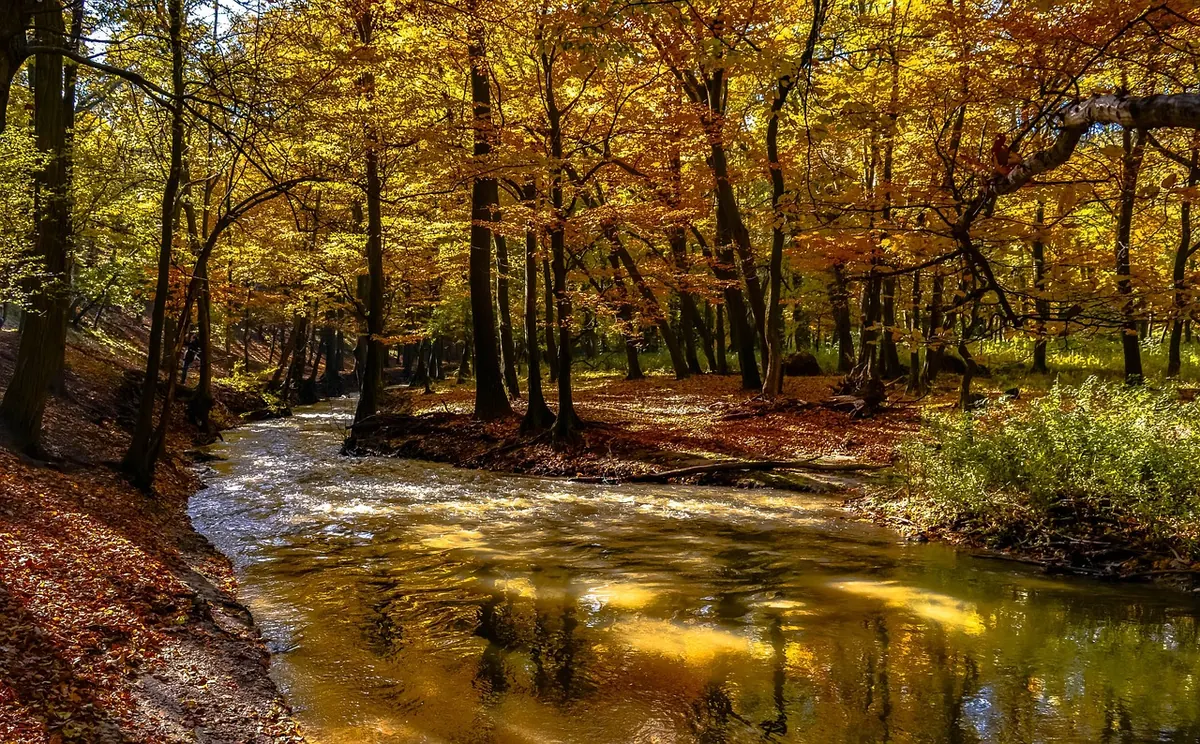
Plan spring visits by season: winter ice, spring mud, summer low flow, autumn leaves. A practical yearly checklist...
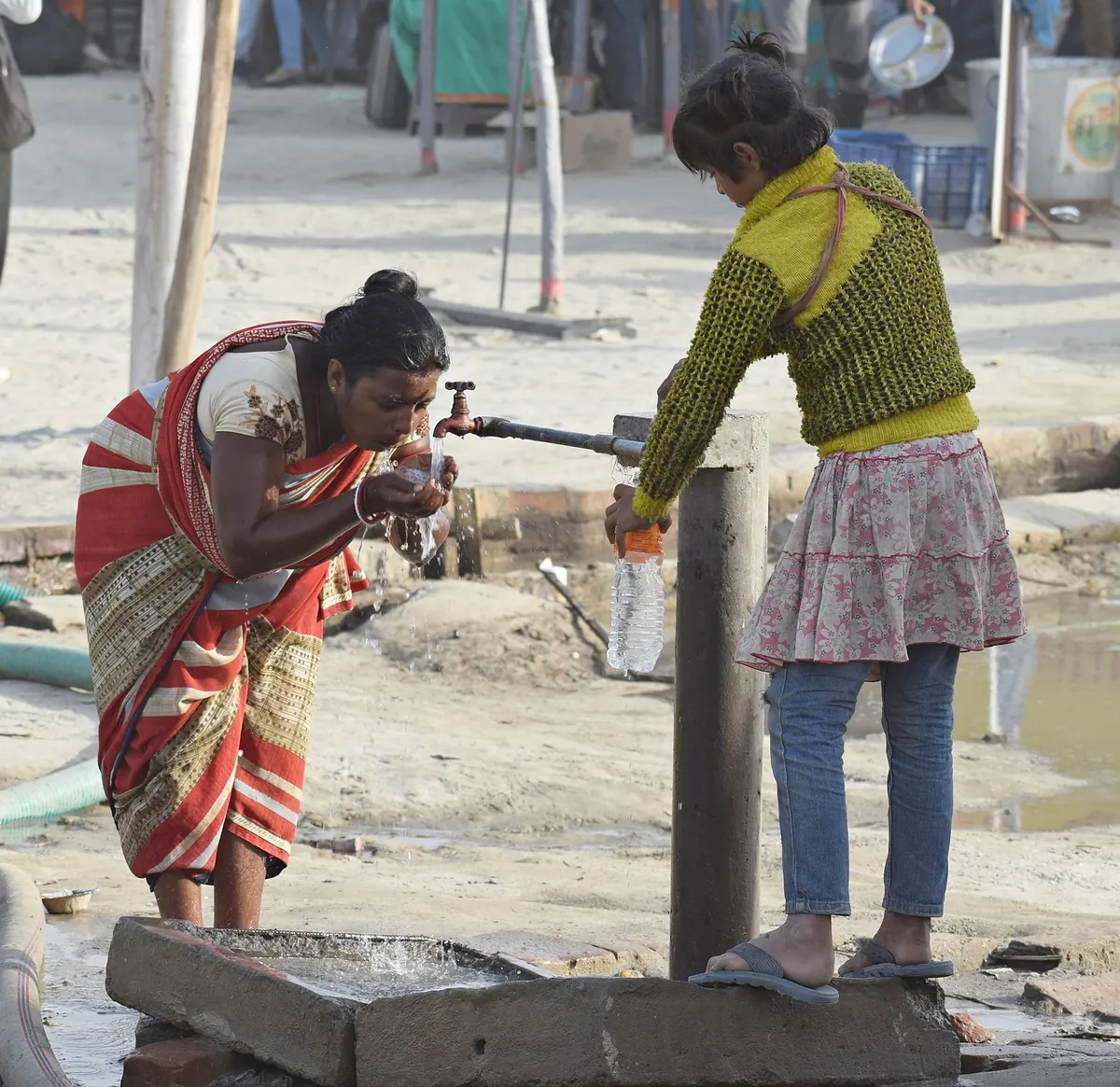
Spring water hydrates like other safe water, but its minerals and taste can support better drinking habits. Here’s...
Copyright © 2026 Vetrina Della Sorgente. All Right Reserved.