Spring Water Through the Seasons: A Yearly Checklist for Source Visits
October 29, 2026 - Local Discovery
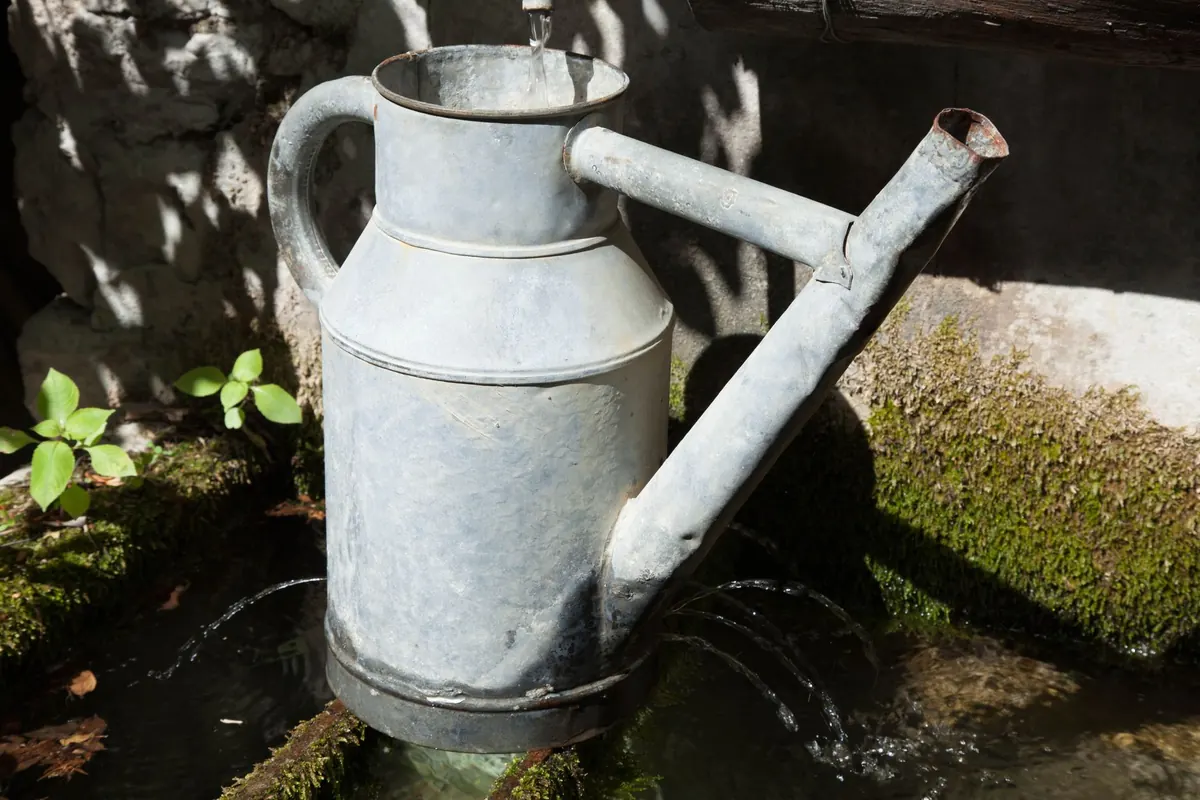
On a cool morning, a spring can look almost too simple: a small pool, a trickle between stones, a thread of green moss. The water is clear, cold against the hand, and it tastes of the ground it has just travelled through. A few kilometres away, on a supermarket shelf, a bottle carries a label that says “spring water.” It would be easy to assume the two are the same thing in different packaging. They are related, but the route from one to the other is longer and more managed than most people expect.
A spring forms where groundwater meets the surface. Rain and snowmelt soak into the ground, move slowly through rock and soil, and collect in an aquifer — a layer of permeable material that holds water like a sponge. Where that water table intersects a hillside or a valley floor, the water comes out on its own. No pump, no pipe, no permission required by nature.
The character of a spring comes from the rock it passes through. Water moving through limestone picks up calcium and bicarbonate and tends to be hard and round on the palate. Water through granite or sandstone stays softer and lighter. Flow can be steady all year, or it can swell in spring and shrink in a dry August, and the temperature usually sits close to the local average ground temperature, which is why a spring feels so cold in high summer.
Not every spring is safe to drink, though. Surface water can enter the source, animals graze nearby, fields are fertilised, and a spring that looks pristine can carry bacteria. If you collect from a wild spring, have the water tested and consider boiling it, especially if anyone in the household is pregnant, elderly or immunocompromised.
When a bottle says spring water, it is describing a source first and a product second. In most markets the term is defined by law, and the common thread is that the water must come from a specific underground formation and be collected at the spring or from a borehole tapping the same formation. It cannot simply be tap water with a flattering picture on the front.
Beyond that, the rules diverge. Some countries recognise “natural mineral water” as a separate and stricter category, with a recognised source, bottling at the source and tight limits on what may be done to the water. Others treat “spring water” as a broader label that permits treatment as long as the essential mineral composition stays within certain bounds. What you can reasonably assume is that the source is real and declared. What you cannot assume is that the water was untouched.
Filtration removes sand, grit and sediment. Carbon filters address taste and odour. Ultraviolet light and ozone are used to control bacteria. Aeration can strip iron and hydrogen sulphide, which is why some water smells faintly of rotten eggs before treatment and not after. Carbonation adds bubbles. None of this is scandalous; in many cases it is what makes a naturally clean source reliably safe to drink.
The useful question is not whether the water was treated but whether the treatment changed what made that source worth bottling. Regulations usually draw the line at the mineral profile, and the label should tell you the category and the source. If treatment is mentioned, treat it as information rather than a confession.
In the European Union, natural mineral water is a protected term with its own legal identity. It must come from a recognised source, be bottled at the source, and be subject to limited permitted treatments. Spring water is a separate category, still drawn from an underground source and bottled at the source, but not held to the same strict rules. That distinction matters when you compare labels: “natural” is not decorative wording in that context, it signals a specific category.
Freshness is where the two experiences diverge most. Water at a spring is minutes old in the sense that matters: it has just arrived from underground, it is cold, it still holds dissolved gases, and it has not spent time in a warehouse. That is a large part of why spring water drunk at the source tastes so good. It is not only the minerals; it is the temperature and the dissolved carbon dioxide, which give the water a faint liveliness.
Bottled water has a journey. It is collected, treated, filled, shipped, stored, and it may sit on a shelf or in a warm delivery van for weeks or months. PET bottles are light and practical, but they are not perfectly inert, and water stored warm for a long time can pick up a faint plastic note. Sunlight degrades the plastic and affects taste. If you buy bottled spring water, treat it like a fresh product: check the date, store it cool and dark, and drink it within a reasonable time after opening.
Taste is the argument most people actually care about, and here the natural spring has an advantage that is hard to bottle: variation. A single spring changes subtly through the year. Heavy rain dilutes the minerals; a long dry spell concentrates them. The result is water with a sense of place, which is why regulars at a local spring notice when it tastes different.
Commercial spring water goes the other way, toward consistency. Brands aim for a taste that is the same in every bottle, so the water is often blended from several points in the same formation, and treatment smooths out variation. This is not dishonest, and consistency is a real virtue if you want the same coffee every morning. But it does mean the bottle is the product of a supply chain rather than a snapshot of a hillside.
Labels reward a little patience. These are the lines worth reading:
For a wild spring, the equivalent of a label is a water test. Local authorities and laboratories can test for bacteria and nitrates, and in farming areas that test is worth arranging before you fill your bottles.
Use the two for different jobs. If you are near a spring you trust, and you have had the water tested, drink it fresh and enjoy what no bottle can reproduce: cold water that has just arrived. Keep a few bottles chilled for the days when convenience wins, or fill a glass bottle at the source if local rules allow it.
When you buy, pay for what you actually want. If the mineral profile matters, read it. If the source matters, read it. If you are watching sodium or have kidney or heart concerns, the mineral analysis is the place to start, and a doctor or dietitian is the right person to ask about what suits you.
The honest answer to the question is that both come out of the ground. The difference is what happens next — and how much of the ground you can still taste in the glass.
Photo: PHILIPPE SERRAND / Pexels
Plan spring visits by season: winter ice, spring mud, summer low flow, autumn leaves. A practical yearly checklist...
A practical guide to finding public springs near you, reading access signs correctly, asking landowners politely,...
Copyright © 2026 Vetrina Della Sorgente. All Right Reserved.