Spring Water Through the Seasons: A Yearly Checklist for Source Visits
October 29, 2026 - Local Discovery
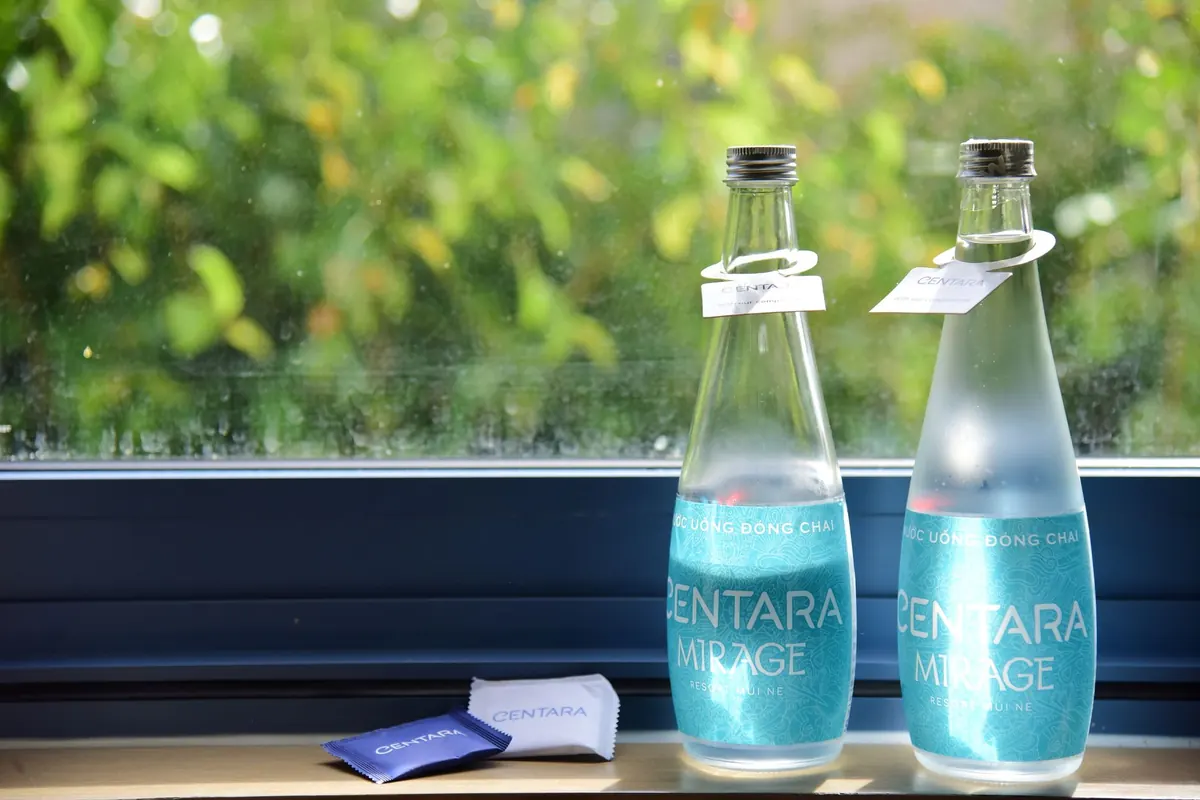
A spring water label is a strange document. Half of it is scenery and adjectives; the other half is a chemist's summary in six-point type. Most of us read the first half, ignore the second, and choose by bottle shape. But the small print is where you learn whether the water is hard and calcium-rich or soft and almost tasteless, whether it came from a named spring or a municipal pipe, and whether anything was done to it before it was capped. Here is how to read it in about ninety seconds.
Look for a named place. Real spring water labels point to something specific: a spring, a well, a borehole, a valley. "Bottled at the source" is the phrase worth finding, because it means the water went from the spring to the bottling line and no further — no tanker, no second plant.
A mismatch is worth noticing. If the spring sits in one region and the bottling plant in another, the water was moved before it was bottled. That is not automatically a problem, and rules differ between countries, but in the EU natural mineral water must be bottled at the source, so a distant plant on a mineral water label is a detail to question.
Italian labels use a vocabulary of their own, usually printed small on the back:
The category name is the next clue. "Natural mineral water" is a regulated term in the EU, with rules about the source and permitted treatments. "Spring water" is also regulated but has more room for treatment. "Table water" or "drinking water" can be treated municipal water, so if you wanted something from a named spring, keep reading.
Somewhere on the back there should be a small table. It lists the fixed residue at 180 °C, the pH, and the main ions in milligrams per litre (mg/L). If that table is missing entirely, treat the bottle as a mystery and move on.
The fixed residue — sometimes called dry residue or total dissolved solids — is the weight of dissolved minerals left after the water evaporates. It is the quickest guide to how the water will taste and feel:
pH tells you whether the water is acidic, neutral or alkaline, usually somewhere between 6.5 and 8.5. A high pH is not automatically better for you, whatever the shelf talker suggests; it mainly changes how the water tastes and how it behaves in cooking.
An example helps. A water at 1,200 mg/L with high bicarbonate will taste rounder and saltier than a 120 mg/L water with low calcium, even if both are clear and still. Neither is "better"; they suit different uses.
Labels rarely explain what the numbers mean, so here is the short version:
One sensible note: mineral content is not medicine. If you have kidney problems, high blood pressure, or you have been told to limit sodium, ask your doctor or a dietitian before you build a daily habit around a particular bottle.
"Untreated" is a meaningful word on a water label, but it does not mean the bottle was filled straight from a rock pool.
In the EU, natural mineral water is held to stricter limits than spring water: it cannot be disinfected with chlorine, and only a short list of treatments, such as removing iron or sulphur, is permitted. Spring water has more room to be treated. Neither category is unsafe — the point is to know which one you are buying.
Labels get slippery here. "Naturally carbonated" means the carbon dioxide came from the same source as the water. "Carbonated" or "with added carbon dioxide" means gas was introduced, sometimes from elsewhere. "Lightly sparkling" is a marketing phrase with no fixed number behind it, so check the fine print if the level of fizz matters to you.
Some label language is scenery, not fact: "glacial", "volcanic", "ancient", "pure mountain air". These words are rarely regulated and tell you more about the marketing department than the water. "Alkaline water" describes a pH number you can already find in the mineral table, so if a label leans on "alkaline" but prints no pH or mineral numbers, it is selling a mood. The same goes for "mountain-fresh" and "natural purity": pleasant, but not measurable.
If you want a simple routine, read the back label in this order:
Date codes matter more than many people think. A best-before date on a plastic bottle is not a safety cliff, but water does change: carbonation fades, and plastic can lend a faint taste if the bottle has sat in a warm van. Store bottles away from sunlight and heat, and once a large bottle is open, refrigerate it and finish it within a few days.
Here is how two hypothetical back labels might read, and what they mean in practice:
Bottle A: Fonte Verde, natural mineral water, bottled at the source. Fixed residue 120 mg/L; calcium 35 mg/L; sodium 5 mg/L; pH 7.2. UV treated.
Bottle B: Acqua Minerale Naturale, carbonated. Fixed residue 980 mg/L; calcium 210 mg/L; sodium 85 mg/L; bicarbonate 400 mg/L; pH 7.6.
Bottle A is soft, light and easy to drink by the glass or with delicate food. Bottle B is a mineral-tasting water with noticeable hardness and fizz; it is better as a small pour than as a thirst-quencher. If you are limiting sodium, Bottle B's 85 mg/L is not enormous, but it is worth counting if you drink a litre a day. Bottle A is the safer everyday choice for most people, though the name "Fonte Verde" alone tells you nothing until the numbers back it up.
Read the source, the category, the fixed residue, calcium and sodium, and the treatment list. Ignore the adjectives. If a bottle tells you where it came from, how hard it is and what was done to it, you have enough to choose well. If it tells you only that it is ancient and pure, put it back on the shelf and look for the numbers.
Photo: Sóc Năng Động / Pexels
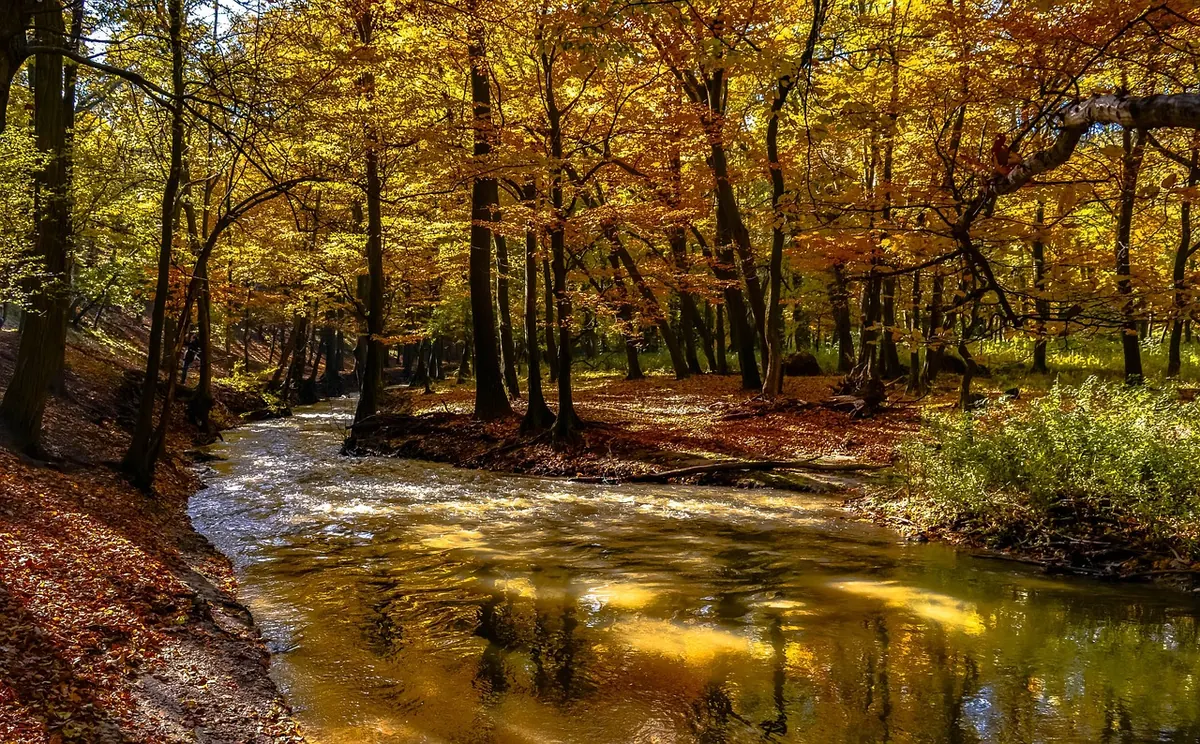
Plan spring visits by season: winter ice, spring mud, summer low flow, autumn leaves. A practical yearly checklist...
A practical guide to finding public springs near you, reading access signs correctly, asking landowners politely,...
Copyright © 2026 Vetrina Della Sorgente. All Right Reserved.